
Living by the Sea from Tangier to Agadir: Moroccan Coastlines

penngbc.com – Morocco, a country of diverse landscapes and rich cultural heritage, boasts a stunning coastline that stretches over 1,800 miles along the Atlantic Ocean and the Mediterranean Sea. From the bustling port city of Tangier in the north to the sun-kissed beaches of Agadir in the south, the Moroccan coastline offers a myriad of experiences for those who choose to live by the sea. In this article, we will explore the unique characteristics of living along the Moroccan coast, from the vibrant cultural scenes to the serene coastal retreats.

Tangier: The Gateway to the Mediterranean

Tangier, often referred to as the “City of Dreams,” is a vibrant melting pot of cultures, where the Mediterranean Sea meets the Atlantic Ocean. Living in Tangier means being part of a cosmopolitan community with a rich history and a dynamic cultural scene. The city’s European-inspired cafes, bustling souks, and international cuisine reflect its diverse heritage. The beaches here, such as Dalia Beach, offer a tranquil escape from the city’s hustle and bustle, while still being within reach of the urban amenities.

Asilah: A Coastal Gem with Artistic Flair

Just south of Tangier lies Asilah, a picturesque coastal town known for its annual arts festival and well-preserved medina. Living in Asilah is like stepping into a canvas of vibrant colors, with its white-washed walls and blue-hued doors and windows. The town’s laid-back atmosphere and beautiful beaches, like Playa Blanca, make it an ideal place for artists and those seeking a peaceful seaside lifestyle.

Casablanca: The Urban Coastal Metropolis

As Morocco’s largest city, Casablanca is a bustling metropolis that blends modernity with coastal charm. The city’s skyline is dominated by the Hassan II Mosque, one of the largest mosques in the world, which stands majestically by the Atlantic Ocean. Living in Casablanca offers a mix of urban conveniences and coastal pleasures, with beaches like Ain Diab providing a perfect spot for surfing and relaxation.

Essaouira: The Wind City of Morocco

Essaouira, with its unique blend of Moroccan and Portuguese influences, is a haven for windsurfers and artists. Known as the “Wind City,” it offers some of the best windsurfing conditions on the planet. The city’s laid-back atmosphere, traditional medina, and stunning ramparts make it a favorite among expatriates and digital nomads looking for a creative and peaceful coastal retreat.

Agadir: Sun, Sand, and Sea

Agadir, at the southern end of our coastal journey, is Morocco’s premier beach resort. With its wide sandy beaches, year-round sunshine, and modern marina, Agadir is the epitome of a seaside paradise. Living in Agadir means enjoying a relaxed lifestyle, with plenty of opportunities for water sports, beachfront dining, and soaking up the sun.

Living by the Sea: A Unique Moroccan Experience

Living by the Moroccan coast offers a unique blend of cultures, climates, and lifestyles. Whether you prefer the cosmopolitan flair of Tangier, the artistic charm of Asilah, the urban pulse of Casablanca, the wind-swept beaches of Essaouira, or the sun-drenched shores of Agadir, the Moroccan coastline has something to offer everyone. The sea is not just a backdrop here; it’s a way of life, influencing the local cuisine, leisure activities, and the very rhythm of daily life.

The Moroccan coastline is a testament to the country’s diversity and beauty. It’s a place where the past and present converge, where the land meets the sea, and where people from all walks of life come together to enjoy the simple pleasures of coastal living. From Tangier to Agadir, the Moroccan coast invites you to experience its magic, offering a lifestyle that is as rich and varied as the country itself.
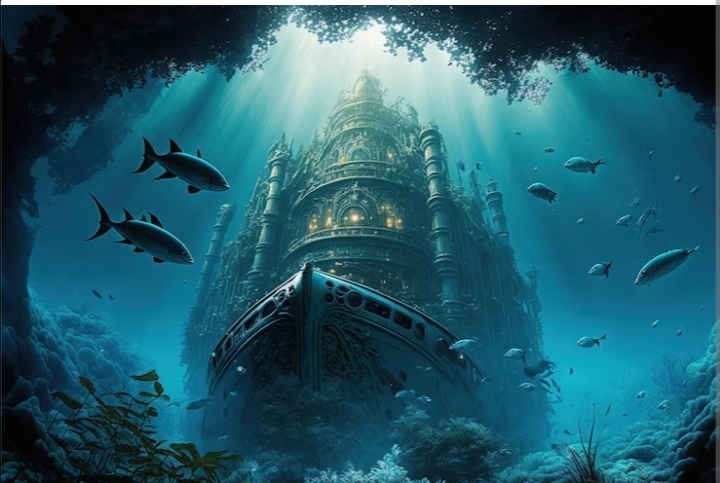
Exploring the Secrets of the Deep Sea

The deep sea, often referred to as the final frontier on Earth, is a realm of perpetual darkness, extreme pressure, and frigid temperatures. Despite these harsh conditions, it is home to some of the most fascinating and bizarre life forms on our planet. Exploring this enigmatic environment has captivated scientists and explorers for centuries, leading to remarkable discoveries about the creatures and ecosystems that thrive in the depths.

The Challenges of Deep-Sea Exploration

Exploring the deep sea is no small feat. The immense pressure at such depths can crush conventional submarines, and the absence of light poses significant challenges for navigation and observation. Advances in technology, however, have made it possible to venture into these uncharted territories. Remotely operated vehicles (ROVs) and autonomous underwater vehicles (AUVs) equipped with high-definition cameras and sophisticated sensors allow scientists to explore and document the deep-sea environment without the need for human presence.

Unveiling the Deep-Sea Biodiversity

One of the most astonishing aspects of the deep sea is its biodiversity. This dark, cold world is teeming with life adapted to survive in extreme conditions. From bioluminescent organisms that produce their own light to withstand the darkness, to bizarre creatures like the anglerfish with its protruding lure, the deep sea hosts a plethora of unique species.

Recent expeditions have uncovered new species that challenge our understanding of biology and adaptation. For instance, the discovery of the “yeti crab” with its hairy pincers, and the ghostly “Dumbo octopus” with ear-like fins, illustrate the variety of life forms that have evolved to thrive in the deep ocean.

Hydrothermal Vents: Oases in the Abyss

One of the most remarkable discoveries in deep-sea exploration is the existence of hydrothermal vents. These underwater geysers, found along mid-ocean ridges, spew mineral-rich water heated by the Earth’s mantle. Despite the extreme conditions around these vents, they are hotspots of biodiversity. Chemosynthetic bacteria, which derive energy from chemicals in the vent fluids rather than sunlight, form the base of a unique ecosystem. Larger organisms, such as giant tube worms, shrimp, and clams, thrive around these vents, relying on symbiotic relationships with the bacteria.

The Role of Deep-Sea Exploration in Science and Conservation

Deep-sea exploration has profound implications for science and conservation. Studying deep-sea organisms can lead to breakthroughs in biotechnology and medicine. For example, enzymes from extremophiles (organisms that live in extreme conditions) are used in industrial processes and research.

Moreover, understanding deep-sea ecosystems is crucial for conservation efforts. The deep sea is not immune to human impact; activities such as deep-sea mining and trawling pose significant threats to these fragile environments. By exploring and documenting the deep sea, scientists can advocate for the protection of these unique habitats and the preservation of their biodiversity.

The Future of Deep-Sea Exploration

The future of deep-sea exploration holds exciting prospects. Technological advancements continue to push the boundaries of what is possible. Innovations in robotics, artificial intelligence, and underwater communication will enhance our ability to explore and understand the deep ocean. International collaborations and initiatives, such as the United Nations Decade of Ocean Science for Sustainable Development (2021-2030), aim to promote global efforts in ocean exploration and conservation.

As we delve deeper into the mysteries of the deep sea, we not only satisfy our curiosity but also gain invaluable knowledge that can contribute to the well-being of our planet. The deep sea, with its unexplored wonders and untapped potential, remains a frontier that beckons humanity to explore, understand, and protect.