
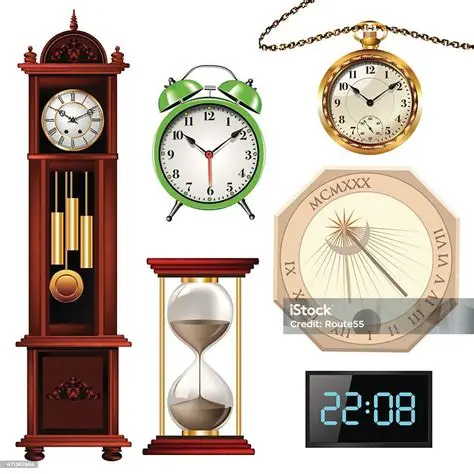
Jam: Alat Penunjuk Waktu dalam Kehidupan Sehari-hari

penngbc.com Jam merupakan alat yang digunakan untuk menunjukkan dan mengukur waktu. Dalam kehidupan sehari-hari, jam memiliki peranan penting karena membantu manusia mengatur berbagai aktivitas, mulai dari bangun tidur, bekerja, belajar, hingga beristirahat.

Pengertian Jam

Jam adalah alat yang digunakan untuk mengetahui waktu dalam satu hari. Waktu biasanya ditunjukkan dalam satuan jam, menit, dan detik. Dengan adanya jam, seseorang dapat mengetahui kapan suatu kegiatan dimulai atau berakhir.

Seiring perkembangan teknologi, bentuk jam juga semakin beragam. Jika dahulu jam banyak menggunakan mekanisme roda gigi dan jarum, saat ini terdapat jam digital yang menampilkan waktu menggunakan angka pada layar.

Jenis-Jenis Jam

Ada berbagai jenis jam yang digunakan dalam kehidupan sehari-hari. Jam analog menggunakan jarum untuk menunjukkan jam, menit, dan terkadang detik. Sementara itu, jam digital menampilkan waktu dalam bentuk angka sehingga lebih mudah dibaca.

Selain itu, terdapat jam tangan yang dikenakan di pergelangan tangan dan jam dinding yang biasanya dipasang di rumah, sekolah, kantor, atau tempat umum. Perkembangan teknologi juga menghasilkan jam pintar (smartwatch) yang tidak hanya menunjukkan waktu, tetapi dapat memiliki berbagai fungsi tambahan.

Pentingnya Jam dalam Kehidupan

Jam membantu manusia menjadi lebih disiplin dan teratur. Dengan mengetahui waktu, seseorang dapat membuat jadwal dan menyelesaikan kegiatan sesuai dengan rencana.

Di sekolah, misalnya, jam membantu siswa mengetahui waktu masuk kelas, istirahat, dan pulang. Di tempat kerja, jam membantu karyawan mengatur waktu kerja dan berbagai kegiatan lainnya.

Perkembangan Jam

Jam telah mengalami perkembangan yang panjang. Dari alat pengukur waktu sederhana, teknologi jam berkembang menjadi semakin akurat dan praktis. Saat ini, jam dapat menggunakan baterai, tenaga mekanis, hingga teknologi digital.

Smartwatch bahkan dapat terhubung dengan perangkat lain dan menyediakan fitur seperti penghitung langkah, notifikasi, alarm, serta berbagai fungsi kesehatan dan olahraga.

Kesimpulan

Jam merupakan salah satu benda penting yang membantu manusia mengatur kehidupan sehari-hari. Perkembangannya dari jam tradisional hingga smartwatch menunjukkan bagaimana teknologi terus membuat alat penunjuk waktu menjadi semakin praktis dan multifungsi.

Meskipun teknologi terus berkembang, fungsi utama jam tetap sama, yaitu membantu manusia mengetahui waktu dan mengatur aktivitas dengan lebih baik.

A Journey Through Time: Voices from the Past

“Voices from the Past” is a phrase that evokes a sense of mystery, nostalgia, and connection to history. These voices can manifest in various forms, from ancient texts and artifacts to oral traditions and recordings. They provide us with a window into the lives, thoughts, and experiences of those who came before us, enriching our understanding of human history and culture.

Ancient Texts and Manuscripts

One of the most direct ways we hear voices from the past is through ancient texts and manuscripts. Documents such as the Dead Sea Scrolls, the Rosetta Stone, and the Epic of Gilgamesh offer invaluable insights into ancient civilizations. These texts reveal the languages, beliefs, laws, and daily activities of people who lived thousands of years ago. They are crucial for historians and archaeologists in reconstructing the past and understanding the evolution of human society.

Artifacts and Monuments

Artifacts and monuments also speak to us from the past. Items like pottery, tools, jewelry, and clothing tell us about the daily lives of ancient peoples. Monuments such as the Pyramids of Giza, Stonehenge, and the Great Wall of China stand as silent witnesses to the ingenuity and ambition of human civilizations. These structures and objects provide context about the technological advancements, artistic expressions, and cultural values of historical societies.

Oral Traditions and Folklore

Oral traditions and folklore are another vital conduit for voices from the past. Many cultures have rich traditions of storytelling, where history, morals, and lessons are passed down through generations by word of mouth. These stories often contain elements of historical events, cultural practices, and societal norms, preserved in the collective memory of a community. Examples include the epic tales of Homer, the Aboriginal Dreamtime stories, and the African griot traditions.

Recordings and Media

In more recent history, recordings and media have captured voices from the past in a literal sense. Early phonograph records, radio broadcasts, and film footage allow us to hear and see people from the late 19th and early 20th centuries. These recordings not only preserve the voices and images of historical figures but also provide a sense of the era’s cultural and social atmosphere. Listening to speeches by leaders like Winston Churchill or watching early silent films offers a direct connection to the past.

Digital Preservation and the Future

With the advent of digital technology, the preservation and accessibility of voices from the past have reached new heights. Digital archives, online databases, and virtual reality experiences make it possible for people around the world to engage with historical materials. Projects like Google Arts & Culture and the Internet Archive are democratizing access to history, ensuring that the voices from the past are preserved for future generations.

Conclusion

“Voices from the Past” remind us of our shared heritage and the continuous thread of human experience. Whether through ancient manuscripts, enduring monuments, cherished oral traditions, or modern recordings, these voices offer invaluable insights into our history and culture. As we continue to preserve and explore these voices, we enhance our understanding of who we are and where we come from, fostering a deeper appreciation for the richness of human history.